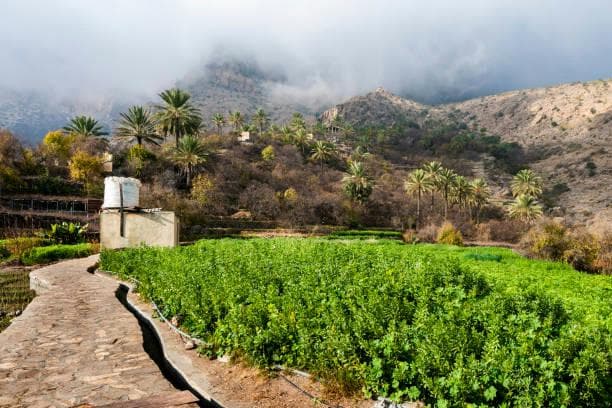
Wakan Village
Nestled high in the rugged folds of Oman’s majestic Al Hajar Mountains, the village of Wakan is a place where time seems to slow down, and nature and tradition coexist in perfect harmony. Perched at a lofty altitude of approximately 1,800 meters above sea level, Wakan is a hidden gem that captivates visitors with its breathtaking vistas, terraced fields, and the palpable sense of peace that permeates the mountain air.
A Journey to Wakan: First Impressions and Arrival
The journey to Wakan is an adventure in itself. From Oman’s bustling capital, Muscat, the route meanders through the scenic Nakhal–Awabi road, gradually giving way to the dramatic landscapes of Wadi Mistal. As you approach the last stretch of the journey—just a couple of kilometers from the village—the paved road turns into a steep, winding dirt path that ascends sharply toward the clouds. Here, a four-wheel drive vehicle becomes not just an advantage but a necessity, as the terrain is rugged and unforgiving for regular cars.
The anticipation mounts as you climb higher, the valley floor dropping away beneath you and the jagged peaks of the Western Hajar Mountains looming ever closer. Finally, you arrive at the modest entrance to Wakan, greeted by a visitor center and a spectacular viewpoint. From this vantage point, the world seems to open up, offering panoramic views of Wadi Mistal below and the endless mountain ranges stretching toward the horizon. The air is noticeably cooler, fresh, and scented with wild herbs and blossoms, especially in spring.
The Heartbeat of Wakan: Terraced Orchards and Traditional Agriculture
What truly distinguishes Wakan, beyond its elevation and scenery, are its iconic terraced orchards—stepped gardens carved painstakingly into the mountainside by generations of villagers. These terraces are a testament to human ingenuity and resilience in the face of harsh geography. Over centuries, the people of Wakan developed intricate methods to make the most of every drop of water and inch of arable land, transforming the rocky slopes into a mosaic of lush greenery.
The star performers of these orchards are the fruit trees: pomegranates, apricots, peaches, grapes, figs, and dates. Each terrace bursts with life, particularly between February and April, when the apricot trees cloak themselves in delicate white and pink blossoms. During this brief but magical season, the entire village is awash with color, and butterflies flit among the blooms, creating a scene reminiscent of a fairytale. Farmers tend to their crops with a reverence passed down through generations, using the ancient falaj irrigation system—a network of channels that distributes water from mountain springs across the terraces, ensuring every plant receives its share.
The falaj is more than a practical solution; it is the lifeblood of the village, a symbol of communal cooperation and respect for nature. Locals often gather by the channels to chat, share news, or simply enjoy the soothing sound of running water. Visitors, too, are welcome to observe and even participate in the rhythm of village life, whether by helping with seasonal tasks or simply engaging in conversation with the farmers, many of whom are eager to share their knowledge and stories.
Cultural Encounters and the Spirit of Hospitality
Wakan is not just about scenery; it is a living repository of Omani culture and traditions. The people are proud of their heritage and warmly welcome guests. Hospitality is a cornerstone of Omani society, and in Wakan, this is evident in every interaction—from the offer of traditional Omani coffee (kahwa) flavored with cardamom and dates, to the sharing of homemade halwa, a sweet treat that embodies the flavors of the region.
As you stroll through the narrow lanes of the village, you might be invited into a shaded courtyard or a simple mountain home, where conversations flow as easily as the coffee. Here, stories of the land, the changing seasons, and village history are passed down as living memory. The pace of life is unhurried, and visitors are encouraged to leave behind the rush of the modern world and immerse themselves in the gentle rhythms of rural life.
Exploring Wakan: Hiking, Watchtowers, and the Call of Adventure
For those with a spirit of adventure, Wakan offers more than tranquility—it presents a network of hiking trails that lure explorers to discover both the natural beauty and the historical remnants of the region. The most popular hike begins at the village entrance and winds its way through the verdant orchards, climbing over 700 meticulously laid stone steps. It’s a short but invigorating trek, taking about 30 to 45 minutes, and is accessible to most visitors with a reasonable level of fitness.
As you ascend, the landscape unfolds in ever more spectacular fashion: terraces below, peaks above, and the infinite sky stretching beyond. Rest areas along the way provide a chance to catch your breath and soak in the scenery, with benches perfectly positioned for contemplation. At the summit, the crowning glory awaits—a centuries-old watchtower, silent sentinel to the village and its people. From this vantage point, the views are nothing short of breathtaking: Wadi Mistal unfurls like a green ribbon below, and the Western Hajar Mountains rise in rugged majesty all around.
For those who crave a greater challenge, longer trails branch out from Wakan toward neighboring villages such as Hadash or even the legendary Jabal Akhdar, known as the “Green Mountain.” These hikes are not for the faint-hearted, traversing steep and sometimes rocky terrain, but the rewards are immense—solitude, unspoiled nature, and a sense of discovery that is increasingly rare in today’s world.
The Red Bull Titan of the Hill: A Modern Twist on Mountain Adventure
Wakan has also found its place on the map for adventure sports enthusiasts, thanks to the annual Red Bull Titan of the Hill mountain biking race. Each year, riders from across the region gather to test their mettle against the village’s steep trails and hairpin turns. The event brings a burst of energy and excitement to the tranquil surroundings, showcasing the village’s versatility as both a haven of tradition and a playground for thrill-seekers.
Seasons of Beauty: When to Visit Wakan
While Wakan is enchanting year-round, its character changes with the seasons, each offering a distinct experience for visitors. The best time to visit is in spring (February to April), when the village is at its most vibrant. The apricot and peach blossoms create a riot of color, the air is cool and fragrant, and the orchards are alive with bees and butterflies. Winter (November to February) is also delightful, with crisp air and clear skies that make hiking and photography especially rewarding.
Summer brings a different mood—while the rest of Oman swelters in intense heat, Wakan enjoys cooler temperatures thanks to its altitude. The landscape may be less lush, but the respite from the plains’ heat is welcome, and the village remains a peaceful retreat for those seeking solitude and cooler climes.
Practical Tips for Travelers: Making the Most of Your Visit
Traveling to Wakan requires a bit of planning, but the effort is amply rewarded. Here are some essential tips to ensure your trip is safe, comfortable, and memorable:
Transportation: A 4WD vehicle is essential for the final stretch to Wakan. The road is steep, narrow, and unpaved, and regular cars are not suitable. If you’re not driving yourself, consider hiring a local guide or arranging transport in advance.
Timing: Arrive early, especially on weekends and public holidays, as parking is very limited. The village is most serene at dawn, with soft light spilling over the mountains and the air still cool from the night.
Essentials: There are no shops or restaurants in Wakan, so bring everything you need—water, snacks, sunscreen, hats, and any other personal items. Proper hiking shoes are a must, as the terrain can be slippery or uneven in places.
Respect: Wakan is a living village, and its orchards and terraces are private property. Stay on designated paths, avoid picking fruit without permission, and be mindful of local customs and sensitivities.
Weather: Dress in layers, as temperatures can vary rapidly, especially in the cooler months. The mountain air can be chilly in the early morning and evening.
Photography: The scenery is incredibly photogenic, so don’t forget your camera. Early morning and late afternoon offer the best light for capturing the terraced fields and dramatic landscapes.
Engagement: Take the time to interact with local farmers and villagers. Many are eager to share insights about their crops, the falaj system, and the rhythms of mountain life. A simple greeting and a smile go a long way.
Combining Destinations: Making the Most of Your Day
Wakan is ideally suited for a day trip from Muscat or nearby towns, and many travelers choose to combine their visit with stops at other attractions in the area. Nakhal Fort, with its imposing battlements and rich history, is just a short drive away and offers a fascinating glimpse into Oman’s past. The thermal springs of Ain Al Thawarah provide a relaxing contrast to the mountain trails, while Jabal Akhdar, with its dramatic canyons and luxury resorts, is within reach for those with more time to explore.
A Lasting Impression: The Unique Allure of Wakan
What lingers in the memory after a visit to Wakan is not just the beauty of the landscape, but the sense of connection—to the land, to the people, and to a way of life that values patience, community, and respect for nature. In an age when so much is fast-paced and transient, Wakan stands as a reminder of the enduring power of tradition and the tranquility that can be found in the embrace of nature.
Whether you come for the hiking, the history, the chance to taste fresh mountain fruit, or simply to breathe in the pure mountain air, Wakan offers an experience that feels both timeless and deeply personal. It is a place to slow down, to listen—to the wind in the orchards, the laughter of children, the stories of elders, and the song of the mountains themselves.
For travelers seeking more than just a destination, Wakan is an invitation to rediscover the simple joys of exploration, discovery, and connection. In every sunrise over the terraces, in every shared cup of coffee, and in every step along the ancient paths, the spirit of Wakan endures—welcoming all who seek its quiet magic.
Written by Farees
Travel writer and founder of Oman Explorer. Based in Muscat, Oman, with years of experience exploring the Sultanate's hidden gems, ancient forts, stunning wadis, and desert landscapes. Passionate about sharing authentic travel experiences and helping visitors discover the beauty of Oman.
Learn more about the authorMore Articles to Explore



Comments (0)
Sign in to comment
Create a free account or sign in to join the conversation.
No comments yet. Be the first to comment!