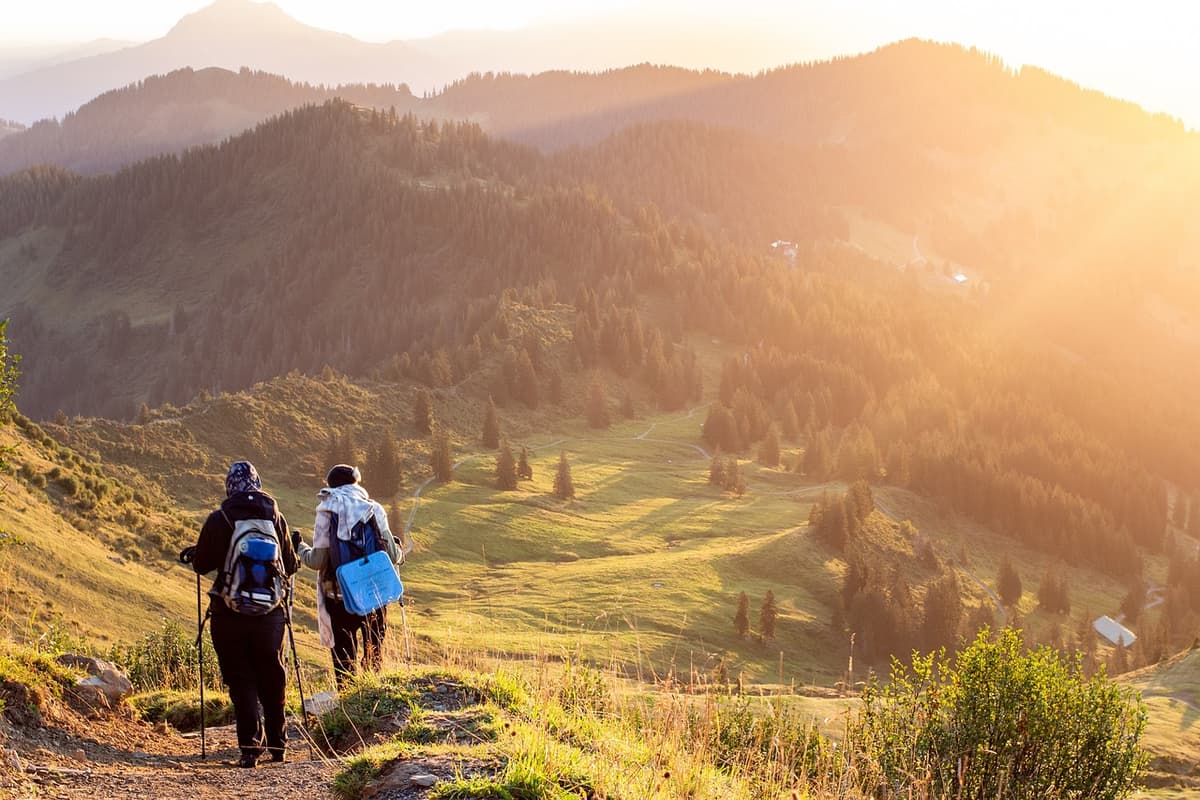
Why Spending Time Outdoors Is Essential for a Healthier, Happier Life
Why Getting Outside Matters More Than Ever: A Journey Back to Nature
Have you ever paused your busy day, just for a moment, to look out a window and feel a sudden urge to be somewhere else—somewhere greener, wilder, more alive? If so, you’re not alone. In today’s world, where most of our time is spent behind screens, shuffling between meetings, emails, and social media feeds, it’s easy to forget the simple joys waiting for us just outside our doors. Yet, the call of the outdoors isn’t just nostalgia or wishful thinking; it’s actually a vital part of our well-being, waiting to be rediscovered.
The Modern Dilemma: Screens, Stress, and Stagnation
Let’s face it: our lives are more digital than ever. The average adult spends upwards of seven hours a day looking at screens—a number that only seems to climb each year. Many of us work in jobs that require sitting at a desk for long stretches, and even our downtime often involves TV, gaming, or scrolling through our phones. It’s no wonder that feelings of fatigue, anxiety, and even physical aches are on the rise.
This isn’t just anecdotal; research has linked sedentary lifestyles with a host of health issues, from obesity and heart disease to depression and poor sleep. But what if the solution isn’t another fitness app or motivational podcast, but something much simpler and, frankly, more enjoyable? What if all we need is to step outside?
Nature: The Ultimate Gym (and So Much More)
When we think about getting active, many of us picture the gym—rows of treadmills, the hum of machines, and maybe even that intimidating wall of free weights. But let’s be honest: not everyone finds joy in gym routines. Some people thrive on it, sure, but for many, it feels repetitive or uninspiring.
Now, imagine trading that treadmill for a hiking trail that winds through the Hajar Mountains, or swapping lifting weights for paddling a kayak in a sunlit wadi. Nature offers a playground that’s constantly changing—no two days are quite the same. The terrain challenges your balance and coordination in a way that a flat gym floor never could. You’re not just exercising your muscles; you’re working on your agility, your sense of direction, and even your problem-solving skills as you navigate rocks, roots, or changing weather.
And let’s not forget the sun! While we should always be mindful of too much exposure, moderate time in the sun helps our bodies produce Vitamin D, which is crucial for healthy bones and a strong immune system. Unlike the fluorescent lights indoors, natural sunlight also regulates our sleep cycles and boosts our mood.
The Science of “Nature Therapy”
If you’ve ever felt calmer or more focused after a walk in the park, you’ve experienced what scientists call “nature therapy.” This isn’t just a buzzword; there’s solid research behind it. Studies have shown that spending even a short time in green (forests, parks) or blue (lakes, rivers, oceans) spaces can lower cortisol—the hormone responsible for stress. In Japan, they even have a word for it: “Shinrin-yoku,” or forest bathing, which is a recognized practice of immersing oneself in the sights, sounds, and smells of a forest.
But why does this work? Psychologists believe our brains are wired to respond positively to nature. Unlike the chaos of city streets or the barrage of notifications on our devices, natural environments provide a sense of calm and order. The rustle of leaves, the chirping of birds, the rhythm of waves—all these gently engage our senses without overwhelming them.
Moreover, being outdoors gives us a break from the constant stimulation of technology. Our brains, much like our bodies, need rest. Time in nature acts as a “digital detox,” clearing mental fog, reducing anxiety, and improving our ability to concentrate once we return to daily tasks.
Real Stories: Finding Clarity, Connection, and Confidence Outdoors
Let me share a story. A friend of mine, Sarah, used to feel constantly drained after work. She tried yoga classes and meditation apps, but nothing seemed to help her shake off that lingering fatigue. One day, almost on a whim, she decided to take her lunch break in a nearby park. She left her phone at her desk, ate her sandwich on a bench, and spent the rest of her break just walking and listening to the birds. That single act changed everything for her. She returned to her desk feeling refreshed, her mind clearer. Soon, it became a daily ritual—and not only did her energy improve, but she also found herself sleeping better and feeling more creative at work.
Another example is a local hiking group that meets every weekend. What started as a few friends looking to get some exercise quickly grew into a tight-knit community. They share stories on the trails, help each other over tough spots, and celebrate milestones together—like reaching a difficult summit or spotting a rare bird. It’s not just about fitness; it’s about connection and adventure.
Outdoor Fun for Everyone: No Experience Necessary
You don’t have to be an athlete or a seasoned explorer to enjoy the outdoors. In fact, some of the best benefits come from the simplest activities. Here are a few ideas to get you started:
Take a Walk: It could be in your neighborhood, a city park, or along a beach. The important thing is to be present—notice the colors, the sounds, the changing light.
Have a Picnic: Invite friends or family, or just bring a book and enjoy a solo lunch in a green space.
Try Something New: Ever tried birdwatching, paddleboarding, or even stargazing? Outdoor hobbies are a great way to learn new skills and meet new people.
Garden: Even tending to a few plants on a balcony can be a soothing, rewarding way to reconnect with nature.
Join a Group: Many communities have walking clubs, cycling groups, or outdoor yoga sessions. Check local listings or social media to find one that fits your interests.
The Social Side of the Outdoors
One of the unsung joys of outdoor activities is how they bring people together. Sharing a trek, a sunset picnic, or even a simple walk can create lasting memories and strengthen bonds. There’s something about being outside—away from distractions—that encourages real conversation and laughter. You might discover shared interests, swap stories, or simply enjoy comfortable silence together.
And if you’re someone who feels shy or anxious in social settings, nature can actually help. The environment gives you something to focus on, and shared activities make it easier to break the ice.
Kids and Nature: Building Healthy Habits for Life
It’s never too early to introduce children to the joys of the outdoors. Studies show that kids who spend regular time in nature are more confident, resilient, and creative. They’re also less likely to develop obesity or attention problems. Best of all, outdoor play encourages curiosity and a sense of wonder—qualities that can last a lifetime.
Try making outdoor time a regular family ritual. Weekend hikes, after-dinner walks, or even backyard camping can create cherished memories and set the stage for lifelong healthy habits.
Overcoming Barriers: Making Outdoor Time Possible
Of course, not everyone has easy access to mountains or beaches. But nature isn’t just about grand landscapes—it’s also in city parks, community gardens, and even tree-lined streets. The key is to be intentional about seeking it out and making time for it, even in small doses.
If time is tight, start small. Take a ten-minute break outside during the workday. Swap a drive for a walk or bike ride when you can. Turn errands into opportunities—walk to the store, take a scenic route home, or explore a new part of your city on foot.
If mobility is a challenge, look for accessible parks or nature centers. Many places now offer wheelchair-friendly trails and guided programs for all abilities.
Making Nature a Priority: Tips for a More Outdoor Lifestyle
Schedule It: Treat outdoor time like any other important appointment. Put it on your calendar and stick to it.
Mix It Up: Try different activities and locations to keep things interesting.
Unplug: Leave your phone behind, or at least turn off notifications, to make the most of your time outside.
Invite Others: Sharing the experience can make it even more enjoyable and help you stay motivated.
Reflect: Keep a journal or take photos of your outdoor adventures. Looking back on your experiences can inspire you to keep going.
The Ripple Effect: How Nature Changes Us
When we make the outdoors a regular part of our lives, the benefits ripple outward. We become healthier, yes, but also more grounded and connected—to ourselves, to others, and to the planet. Nature reminds us that we’re part of something bigger than our daily worries. It inspires gratitude and wonder, and fosters resilience in the face of life’s challenges.
And perhaps most importantly, it reminds us to slow down. In a world that moves faster every day, stepping outside can be a gentle act of rebellion—a way to reclaim our time, our health, and our joy.
Your Adventure Awaits
So, next time you feel the weight of your to-do list or the strain of another hour behind a screen, remember: the world outside is waiting. Whether it’s a mountain trail, a quiet park, or a sunny patio, nature is ready to welcome you—no reservations required.
Take the first step. Open the door, breathe deeply, and let your senses guide you. You might be surprised at how much brighter, lighter, and more alive you feel. Who knows? You could find yourself not just happier and healthier, but also more connected—to nature, to others, and to the vibrant, balanced, and resilient version of yourself that’s been waiting all along.
Ready to get outside? Share your favorite outdoor activities or stories in the comments! Let’s inspire each other to make nature a bigger part of our lives.
Written by Farees
Travel writer and founder of Oman Explorer. Based in Muscat, Oman, with years of experience exploring the Sultanate's hidden gems, ancient forts, stunning wadis, and desert landscapes. Passionate about sharing authentic travel experiences and helping visitors discover the beauty of Oman.
Learn more about the authorMore Articles to Explore



Comments (0)
Sign in to comment
Create a free account or sign in to join the conversation.
No comments yet. Be the first to comment!