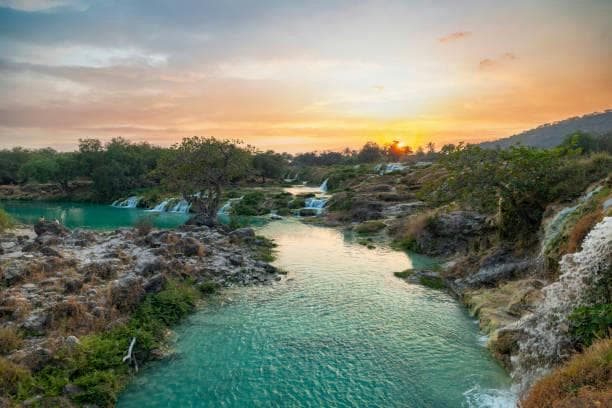
Wadi Darbat: The Ultimate Guide to Oman’s Stunning Green Oasis, Waterfalls, and Nature Activities in Dhofar
Wadi Darbat: Oman’s Emerald Oasis in the Dhofar Mountains
Hidden within the southern governorate of Dhofar, where Oman’s desert sands give way to dramatic green hills, lies a valley that enchants all who visit: Wadi Darbat. This remarkable place is more than a natural attraction; it is a living tapestry of water, rock, and verdant life—a landscape that seems to defy the arid reputation of Arabia. For those seeking a blend of adventure, tranquility, and natural wonder, Wadi Darbat is a destination that promises unforgettable memories.
The Essence of Wadi Darbat
At its heart, Wadi Darbat is a valley—‘wadi’ in Arabic—formed over millennia by the gentle but persistent action of seasonal rains and underground springs. What sets it apart from other wadis in Oman is its unique climate, influenced by the annual Khareef (monsoon) season. From July to September, monsoon winds bring life-giving rain from the Indian Ocean, transforming the landscape into a lush oasis that looks more akin to East Africa or Southeast Asia than the Middle East.
Throughout the rest of the year, Wadi Darbat remains a place of quiet beauty, with its rocky cliffs and meandering riverbeds awaiting the next monsoon’s touch. The valley is embraced by steep limestone hills and dotted with caves, cliffs, and plateaus, providing a dramatic contrast to the dry plains and deserts that surround Dhofar. This natural diversity is one reason Wadi Darbat is so beloved—not just by Omanis, but by visitors from around the world.
A Landscape Reborn Each Year: The Magic of Khareef
The true magic of Wadi Darbat emerges during the Khareef. As the monsoon clouds sweep over the mountains, the brown hills turn a brilliant green, and the dry riverbeds become vibrant streams and waterfalls. Mists curl across the valleys; wildflowers and tall grasses spring up overnight. The air is cool, fresh, and fragrant—a welcome respite from the heat elsewhere in Oman.
This season is not just a boon for the land, but also for the people. Families, friends, and travelers flock to the area, setting up picnics under the shade of acacia trees, exploring winding paths, and reveling in the rejuvenated landscape. For local people, Khareef is a time of celebration, a reminder of the land’s bounty and beauty.
Places to Discover in Wadi Darbat
1. Wadi Darbat Waterfalls
Perhaps the most iconic feature of Wadi Darbat is its series of seasonal waterfalls. During Khareef, water tumbles down the cliffs in silver ribbons, pooling in natural basins before continuing down the valley. The largest and most famous waterfall is a must-see, cascading over rocks and surrounded by lush greenery.
Best time: Waterfalls are at their fullest from late July to early September.
Experience: The roar of falling water mixed with birdsong, the cool spray on your skin, and a backdrop of emerald hills—this is nature’s symphony at its finest.
Photography: Bring a wide-angle lens to capture the grandeur, or zoom in for details of moss, droplets, and wildflowers.
2. Wadi Darbat Lake
During the monsoon, the valley’s river swells to create a serene freshwater lake. Its glassy surface mirrors the sky and cliffs, making it a favorite spot for photographers and anyone seeking peace. The lake is dotted with small boats and pedal boats for hire—perfect for a gentle paddle or family outing.
Tips: Early morning light is especially magical, with mist rising off the water and the hills bathed in gold.
Relaxation: Find a quiet spot by the shore, listen to the gentle lap of water, and let your worries drift away.
3. Caves and Cliffs Near the Waterfall
Beyond the waterfalls, Wadi Darbat’s cliffs are riddled with natural caves and shallow grottos. Some are easily accessible, offering cool shelter and unique views of the valley below.
Exploration: Wander up the marked trails to discover these rock formations. Some caves have been shaped by centuries of water erosion, while others are home to bats and birds.
Safety: Always wear sturdy shoes and watch your footing, as rocks can be slippery during the rainy season.
4. Green Valleys and Grazing Land
One of the joys of Wadi Darbat is simply wandering its green meadows. During Khareef, herds of camels and cattle graze freely, their silhouettes often shrouded in mist. It’s a pastoral scene that evokes a sense of timelessness—one that has played out for centuries in these hills.
Family fun: Children love watching the animals, and the gentle terrain is ideal for relaxed strolls.
Nature connection: Pause and listen for the sounds of hidden streams, rustling leaves, and distant bells from grazing animals.
5. Tawi Ateer Sinkhole (“Well of Birds”)
A short drive from Wadi Darbat lies the Tawi Ateer Sinkhole, one of the world’s largest limestone sinkholes. Known locally as the “Well of Birds,” its vertical walls are home to swallows and other bird species that dart and wheel above the emerald depths.
Adventure: The sinkhole is accessible via a walking path, and the views from the rim are breathtaking.
Wildlife: Birdwatchers will appreciate the diversity of species, especially in the early morning.
Activities to Savor in Wadi Darbat
1. Boating and Pedal Boating
Renting a small boat or pedal boat is one of the most popular ways to experience the lake. Glide across the calm waters, surrounded by green hills and the calls of water birds. For couples, it’s a romantic outing; for families, it’s pure fun.
Availability: Boats are usually rented during the Khareef season, when water levels are highest.
Safety: Life jackets are provided, and the lake is generally shallow, but always supervise children.
2. Hiking and Nature Walks
Wadi Darbat offers a variety of trails and paths for all fitness levels. Some follow the river’s edge, while others climb the hills for sweeping views. During Khareef, the trails are cool, shaded, and alive with wildflowers.
Recommended routes: Start near the waterfall and make your way upstream, or try the path toward the Tawi Ateer Sinkhole for a longer hike.
Essentials: Bring water, wear comfortable shoes, and be prepared for muddy patches during the rainy season.
3. Picnicking by the River
Few things are as pleasant as a leisurely picnic by Wadi Darbat’s river. Shaded by acacias and wild figs, these spots are perfect for families, couples, or solo travelers. Many Omani families bring home-cooked meals and rugs, sharing food and laughter in the open air.
Etiquette: Clean up after yourself, dispose of waste properly, and respect others’ peace.
Local touch: Try Omani dates, fresh fruit, and traditional bread for an authentic picnic.
4. Photography
With its ever-changing light, misty mornings, and vibrant greenery, Wadi Darbat is a photographer’s dream. Each hour brings new moods and colors, from golden sunrise to dramatic afternoon clouds.
Tips: Capture reflections in the lake, close-ups of wildflowers, or wide panoramas of the entire valley.
Wildlife: Patient observers can snap photos of grazing camels, colorful birds, and even the occasional fox.
5. Birdwatching
Wadi Darbat is a haven for birdwatchers. The presence of fresh water attracts herons, egrets, kingfishers, and even migratory birds during certain seasons.
Best times: Early morning or late afternoon, when birds are most active.
Equipment: Bring binoculars and a bird guidebook to identify local species.
6. Exploring Nearby Sites
A visit to Wadi Darbat can be combined with other natural attractions in Dhofar, such as:
Ayn Athum: Another stunning waterfall, especially impressive during Khareef.
Taqah Plateau: Offers panoramic views over the coast and valleys below.
Samhan Mountain: For the more adventurous, this mountain provides challenging hikes and breathtaking vistas.
Travel Tips for Wadi Darbat Visitors
Best Time to Visit
The absolute best time to experience Wadi Darbat is during the Khareef season (July to September). The valley is at its greenest, waterfalls are flowing, and the climate is cool and refreshing. Outside this period, the area is quieter, with fewer visitors, but also drier and less vibrant.
Getting There
Wadi Darbat is located approximately 30 km northeast of Salalah, the capital of Dhofar. It’s easily accessible by car, with a well-maintained, paved road leading directly to the main entrance.
Rental cars: Available at Salalah Airport and in the city.
Signage: The way is clearly marked, with signs in both Arabic and English.
Public transport: Limited, so self-driving or hiring a taxi is recommended.
What to Bring
Comfortable walking shoes: The terrain can be rocky or muddy, especially during the rainy season.
Water and snacks: While food stalls may be available during peak times, it’s wise to bring your own supplies.
Insect repellent: Monsoon season brings mosquitoes.
Camera and binoculars: For capturing the scenery and spotting wildlife.
Picnic supplies: If you plan to enjoy a meal by the river.
Rain gear: Showers are frequent during Khareef; a lightweight raincoat or umbrella is handy.
Safety Considerations
Flash floods: Avoid walking in low-lying areas or dry riverbeds during heavy rain, as flash floods can occur rapidly.
Supervise children: The water is generally shallow but can be swift in some places.
Wildlife: While the area is safe, be respectful of grazing animals and do not feed wildlife.
Facilities
Restrooms and food stalls: Basic facilities are usually set up during the busy Khareef season.
Parking: Ample parking is available near the main attractions.
Medical: The nearest major clinic is in Salalah, so bring a basic first aid kit.
Respecting Local Culture and the Environment
Dress modestly: Especially during busy periods, out of respect for local customs. Light, loose clothing works well.
No littering: Carry out all your waste, and leave the area as you found it.
Quiet enjoyment: Avoid loud music and respect others’ desire for peace and nature.
A Place of Wonder, Reflection, and Joy
Wadi Darbat is far more than a scenic spot on the map—it is a living example of Oman’s natural beauty, resilience, and hospitality. Here, nature’s cycles are celebrated, families gather in laughter, and visitors find a sense of peace rarely encountered elsewhere.
Whether you come for the waterfalls, the green meadows, the gentle boating, or the promise of a perfect photograph, Wadi Darbat rewards every traveler with memories that linger long after you leave. It invites you to slow down, breathe deeply, and reconnect with the rhythms of the earth.
For Omanis, Wadi Darbat is a point of pride—a symbol of the country’s hidden riches and the generosity of its land. For travelers, it is a reminder that even in the world’s driest corners, life can burst forth in dazzling abundance.
So pack your bags, charge your camera, and set your course for Dhofar’s emerald valley. Wadi Darbat awaits—ready to enchant, inspire, and welcome you.
Written by Farees
Travel writer and founder of Oman Explorer. Based in Muscat, Oman, with years of experience exploring the Sultanate's hidden gems, ancient forts, stunning wadis, and desert landscapes. Passionate about sharing authentic travel experiences and helping visitors discover the beauty of Oman.
Learn more about the authorMore Articles to Explore



Comments (0)
Sign in to comment
Create a free account or sign in to join the conversation.
No comments yet. Be the first to comment!